
Designing VE & COIL for Intercultural Learning: Practical Tips
Jun 09, 2026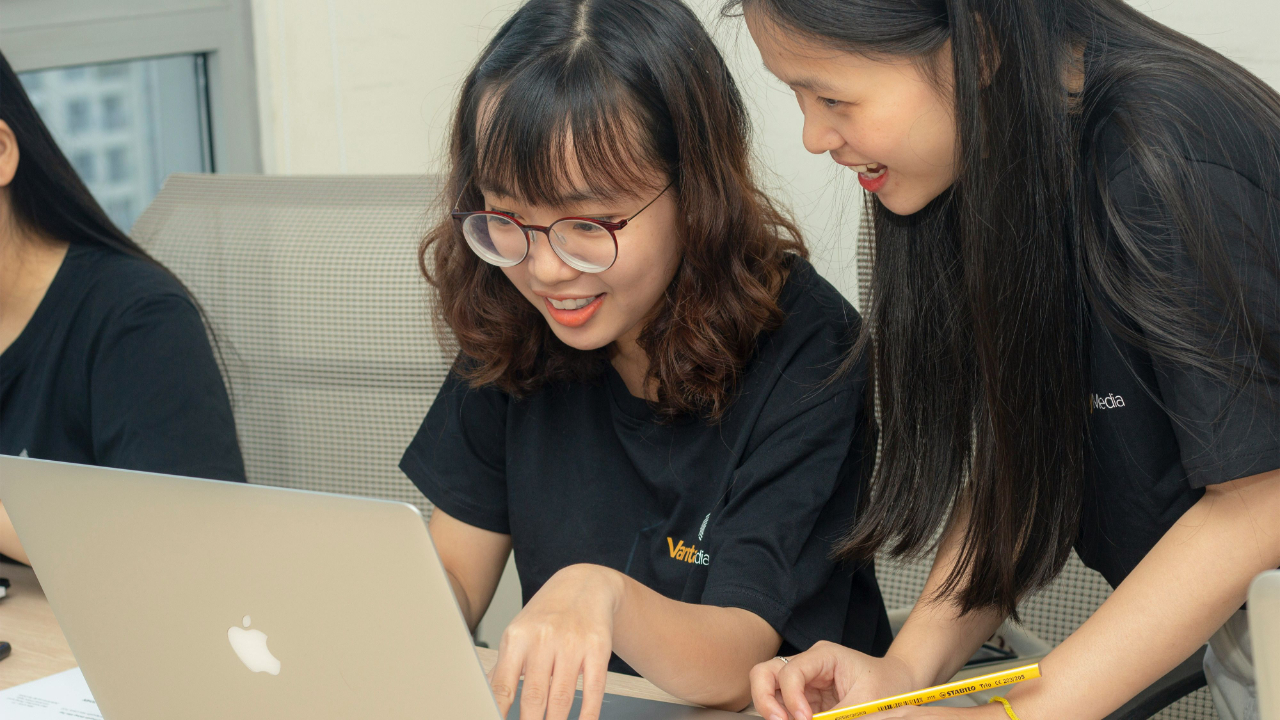
The number of educators involved in virtual exchange (VE) and Collaborative Online International Learning (COIL) has grown rapidly in recent years, accelerated in part by the expansion of these programs during the COVID-19 pandemic. That growth is exciting—but it also raises an important question: how do we ensure these experiences actually foster intercultural learning, rather than simply cross-border collaboration?
I’ve written previously about both the growth of VE/COIL and the importance of intentionally integrating intercultural learning into these programs (click here to read that post). In this post, I’m sharing three practical ways to do that.
Tip 1: Prioritize relationship-building.
One of the biggest mistakes educators can make is assuming that if students work together across cultures, relationships—and intercultural competence—will naturally develop. Sometimes they do. But often, they don’t, unless we intentionally create space and structure for them.
That means building in opportunities for students to get to know one another, especially early in the exchange, and giving them prompts or activities that support meaningful connection. Ideally, those activities help students reflect on their own cultural influences as well as learn about others.
For example, I often invite students to talk about their names. Before sharing with peers, they reflect on questions such as: Who named you? Why were you given that name? What does your name mean to you? This activity can open up rich conversation about family, identity, and culture. It also has the practical benefit of helping students learn one another’s names—and how to pronounce them correctly.
One tip for facilitating this well: model it yourself first. If possible, do the activity with your COIL or VE partner during an early planning meeting. Then, when you introduce it to students, you can each share part of your own story and set the tone for the kind of reflection and openness you’re inviting.
Tip 2: Emphasize process at least as much as product.
In many virtual exchange experiences—especially COIL—students work together to produce something: a presentation, an infographic, a proposal, a model. But if intercultural learning is one of your goals, the process matters at least as much as the final deliverable.
A great deal of the learning happens through the experience of collaborating across differences: differences in communication styles, expectations, time zones, academic norms, and approaches to teamwork. If that’s the case, then students need structured opportunities to reflect on that process, not just complete the assignment.
One place to start is by asking students to reflect—perhaps first in same-culture groups—on how they typically approach group work. For example:
- How do you usually divide responsibilities?
- How often do you expect to meet, and what do you use that time for?
- What does a “good group” look like to you?
- What might “success” on this project look like for you?
You can then debrief these conversations as a class, identifying themes and surfacing assumptions. After that, students can share their responses with group members from the other cultural context, compare similarities and differences, and discuss where challenges or misunderstandings might arise as they work together.
This kind of conversation helps students recognize that their own preferred ways of working are not universal. It also prepares them to navigate differences more thoughtfully once the project is underway.
As the collaboration continues, build in regular reflection prompts that invite students to make sense of what they’re experiencing. And if you want students to take that reflection seriously, make sure it counts. If the grade is based only on the final product, that’s where students will focus their attention. If you value what they're learning through the experience, make their reflection on the process count toward their grade.
Tip 3: Focus on learning about self, not just learning about others.
When people hear “intercultural learning,” they often think of learning about other cultures. But intercultural competence also requires learning about ourselves as cultural beings.
How has our own socialization shaped the way we communicate, collaborate, define responsibility, interpret conflict, or judge what makes someone a good team member? These are essential questions in intercultural learning, and VE/COIL can create powerful opportunities to explore them—if we design for that intentionally.
In fact, the strategies I’ve described in the first two tips already support this kind of self-awareness. When students reflect on their names and what those names mean to them, they begin to notice identity and cultural influence in their own lives. When they examine their assumptions about group work and then reflect on the collaboration as it unfolds, they gain a deeper understanding of both themselves and their peers.
That matters because intercultural learning is not just about increasing knowledge of others. It’s also about developing the awareness, humility, and adaptability needed to engage across difference more effectively.
Final Thought
If you want VE or COIL to foster intercultural development, it helps to remember that this learning rarely happens automatically. It emerges more powerfully when we design for it—by making space for relationship-building, helping students reflect on process as well as product, and inviting them to learn about themselves alongside others.
Those design choices can make the difference between a project in which students simply complete a task together and one in which they develop greater intercultural competence through the experience.
If You’d Like to Learn More
If you’d like more frameworks and tools to help you foster intercultural learning through COIL, virtual exchange, courses, study abroad, orientations, or other aspects of your work, consider joining the Facilitating Intercultural Learning professional development program. The next cohort is scheduled to begin on September 15.
Photo Credit: Van Tay Media, Unsplash
Join the Conversation!
Enjoying the blog? You’re invited to join me and an amazing group of higher education professionals committed to fostering intercultural learning at the next Intercultural Leadership Forum! You'll have a chance to connect with others doing this work and gain new insights as you move toward your intercultural goals.
AUTHOR

